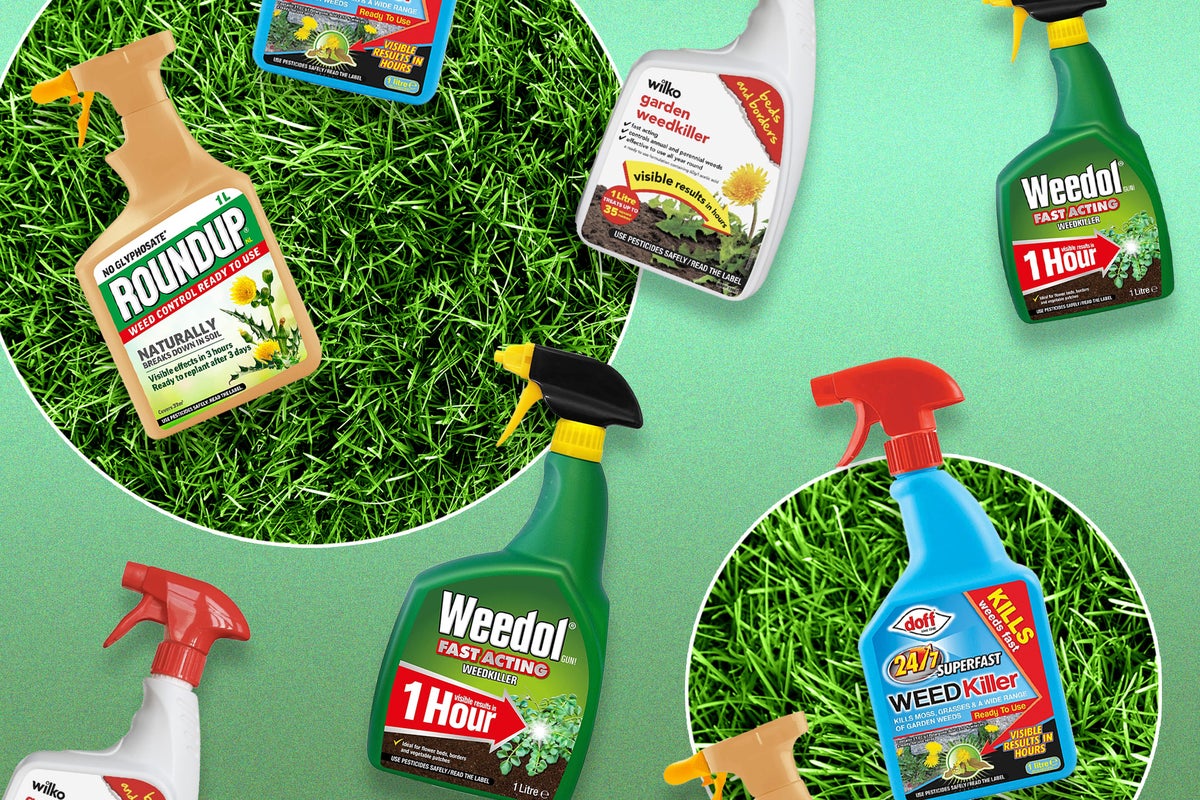
Conquering Unwanted Growth: The Ultimate Guide to Weed Killers for Every Spot
Weeds are the uninvited guests in our gardens, lawns, and patios, relentlessly competing with our beloved plants for vital nutrients, precious water, and even essential sunshine. Their persistent nature can transform a lush landscape into a frustrating battleground. While the idea of painstakingly pulling each weed by hand might appeal to some, for most homeowners, finding an effective and efficient weed control solution is paramount. But with a vast array of products on the market, how do you choose the best weed killer for your specific needs?
The secret lies in understanding that there isn't a one-size-fits-all solution. What works wonders on your driveway could devastate your delicate flower bed, and a robust lawn treatment might leave your patio untouched. This comprehensive guide will help you navigate the world of weed control, offering insights and recommendations to keep every corner of your property pristine.
Understanding Your Weeds: The First Step to Effective Control
Before you even consider reaching for a weed killer, it’s crucial to understand the types of weeds you're dealing with and where they're appearing. Weeds can be broadly categorized as broadleaf weeds (like dandelions and clover) or grassy weeds (like crabgrass). They can be annuals (completing their life cycle in one season) or perennials (returning year after year from established root systems).
- Lawns: Weeds in lawns often compete directly with your desirable turfgrass, leading to thin patches and an uneven appearance. Common lawn invaders include crabgrass, dandelions, clover, and sedges.
- Patios & Driveways: These hard surfaces are susceptible to weeds sprouting through cracks and crevices, creating unsightly growth and even damaging pavement over time.
- Flower Beds & Gardens: Weeds here steal resources from ornamental plants and vegetables, stunting their growth and diminishing their beauty and yield.
Understanding these distinctions will guide you towards the most appropriate weed killer, ensuring maximum effectiveness and minimal collateral damage.
Choosing the Best Weed Killer: Key Considerations
Selecting the right product can feel overwhelming, but focusing on a few key factors will simplify the decision-making process. Here’s what to look for when trying to find the best weed killer for your situation:
- Selective vs. Non-Selective: This is perhaps the most critical distinction.
- Non-Selective Weed Killers: These powerful formulas kill virtually any plant they come into contact with, including grasses. They are ideal for areas where no vegetation is desired, such as cracks in driveways, gravel paths, or before planting a new garden bed. Extreme caution is needed around desired plants.
- Selective Weed Killers: Specifically formulated to target certain types of weeds (e.g., broadleaf weeds) while leaving desirable plants (like specific turfgrasses) unharmed. These are your go-to for Lawn-Friendly Weed Killers: Keep Your Grass, Kill the Weeds.
- Speed of Action & Rainfastness: How quickly does the product show results? And how soon after application can it withstand rain or irrigation without losing effectiveness? Fast-acting, rainfast products are often preferred for their convenience and reliability.
- Persistence in Soil: Some weed killers remain active in the soil for an extended period, preventing new growth. Others break down quickly, allowing you to replant in the treated area within days.
- Safety & Environmental Impact: Consider pet-friendliness, toxicity, and whether you prefer natural, chemical-free options, especially for areas frequented by children and pets or close to edible gardens.
- Application Method: Products come as concentrates (requiring dilution), ready-to-use sprays, or granular forms. Choose what suits your comfort level and the size of the area to be treated.
Top Picks for Targeted Weed Control
Based on rigorous evaluation and user experience, here are some of the standout weed killers designed to tackle specific challenges:
For Eco-Conscious, All-Purpose Control: Green Gobbler Vinegar Weed & Grass Killer
For those prioritizing natural solutions, Green Gobbler Vinegar Weed & Grass Killer consistently emerges as a top contender. This powerful, vinegar-based formula offers a non-toxic, pet-friendly approach to weed control, making it an excellent choice for a variety of surfaces without the harsh chemicals found in many traditional herbicides. Its efficacy on everything from sidewalks and driveways to delicate flower beds showcases its versatility, providing visible results often within 24 hours.
- Key Benefits: Fast-acting, non-toxic, pet-friendly, versatile for use in many areas including flower beds and around sidewalks.
- Our Insight: The high concentration of vinegar (acetic acid) works by rapidly dehydrating plant cells, leading to quick wilting and death. While effective on contact, it typically doesn't offer systemic root kill for perennial weeds, meaning repeat applications might be necessary for stubborn invaders. However, for surface weeds and annuals, it's incredibly efficient and safe.
For Power on Patios & Driveways (Not Lawns!): Spectracide Weed & Grass Killer 2
When you need to clear an area completely and quickly, Spectracide Weed & Grass Killer 2 is a highly effective, non-selective solution. This ready-to-use spray delivers visible results in as little as 3 hours, making it ideal for eradicating weeds and unwanted grasses around driveways, walkways, fences, and under trees or shrubs where you want a clean border. Its formulation, including active ingredients like Diquat Dibromide and Fluazifop-p-butyl, ensures that it spreads to the roots for comprehensive kill.
- Key Benefits: Extremely fast-acting (3 hours), rainfast in just 15 minutes, kills to the root, and allows for replanting in affected areas within a few days. It's affordable and comes with a sprayer.
- Important Note: Because it’s non-selective, never use Spectracide Weed & Grass Killer 2 on your lawn, as it will kill your turfgrass along with the weeds. Always cover desired plants nearby.
- Our Insight: The convenience of a ready-to-use product with rapid results and quick rainfastness makes this a practical choice for clearing out problem areas. While some users find the included sprayer difficult, investing in a separate, high-quality pump sprayer can significantly improve the application experience.
For a Pristine Lawn: Ortho WeedClear Lawn Weed Killer for Northern Lawns
Maintaining a lush, weed-free lawn requires a specialized approach. Ortho WeedClear Lawn Weed Killer for Northern Lawens is a selective herbicide designed precisely for this purpose. It targets over 200 types of broadleaf weeds, including stubborn crabgrass, dandelions, and clover, without harming popular Northern lawn grasses such as Kentucky bluegrass, tall fescue, fine fescue, and ryegrasses. This makes it perfect for Find Your Best Weed Killer: Top Picks for a Pristine Lawn.
- Key Benefits: Selective weed control (kills weeds, not lawns), fast-acting (results within a day), rainproof in just 1 hour, and available in multiple convenient forms (concentrate, ready-to-spray, trigger bottle).
- Our Insight: The active ingredients, often including formulations of Dicamba, specifically interfere with the growth processes of broadleaf weeds without affecting grasses. Its ability to spot-treat effectively means you can address individual weed patches without broadcast spraying your entire lawn. Always check the specific variant to ensure compatibility with your grass type, as Ortho offers formulations for various regional lawn types.
Practical Tips for Effective Weed Killing
Even with the best weed killer, proper application is crucial for success and safety:
- Read the Label Thoroughly: Every product has unique instructions, safety precautions, and optimal application conditions. Always read and follow them.
- Timing is Everything: Most weed killers are most effective on actively growing weeds. Applying on a calm, windless day prevents drift onto desirable plants. Avoid application before anticipated rain unless the product is specifically noted as rainfast within a short window.
- Protect Yourself: Wear appropriate personal protective equipment (PPE), including gloves, eye protection, and long sleeves/pants, especially when handling chemical herbicides.
- Targeted Application: For non-selective killers, use a cardboard shield or a precise spray setting to prevent overspray onto plants you want to keep.
- Consider Prevention: Beyond killing existing weeds, integrate preventive measures like mulching in flower beds, proper watering (deep and infrequent to encourage deep grass roots), and regular lawn mowing at the correct height to naturally suppress weed growth.
Conclusion
Achieving a weed-free property doesn't have to be an endless chore. By understanding the types of weeds you face and choosing the appropriate product for each specific area – whether it’s a selective solution for your lush lawn, a powerful non-selective killer for driveways, or an eco-friendly option for your flower beds – you can reclaim your outdoor spaces. With the right knowledge and tools, you'll be empowered to select the best weed killer for your specific needs, ensuring your garden, lawn, and patios remain beautiful, healthy, and weed-free year-round.